
The psychology of risk Understanding the mind behind gambling decisions
The psychology of risk Understanding the mind behind gambling decisions
The Thrill of Uncertainty
The allure of gambling often lies in its inherent unpredictability. Many individuals are drawn to the excitement that comes with taking risks, as it taps into the human psyche’s attraction to uncertainty. This thrill can evoke a rush of adrenaline, making gambling not just a pastime but an exhilarating experience that keeps players coming back for more. In recent years, many have turned to non gamstop casinos uk to explore these thrilling risks.
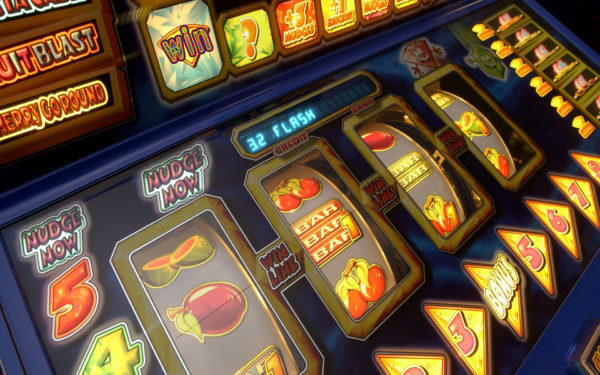
Psychological research suggests that the brain’s reward system is activated during gambling, similar to how it responds to drugs. This can lead to a cycle of seeking more risks and chasing losses, which can explain why some gamblers find it hard to walk away, even when they know the odds are stacked against them.
The Influence of Cognitive Biases
Cognitive biases play a significant role in gambling decisions. Many gamblers fall prey to the gambler’s fallacy, believing that past events can influence future outcomes. For instance, after a string of losses, a player may convince themselves that they are ‘due’ for a win, thereby justifying the continuation of their betting. This distorted thinking can lead to reckless decisions and significant financial losses.
Moreover, the illusion of control is prevalent among gamblers. Many believe they can influence the outcome of a game, especially in games that involve skill. This belief can lead them to engage in riskier bets, driven by the hope that their actions will yield favorable results, despite overwhelming evidence to the contrary.
The Social Aspects of Gambling
Gambling often occurs within a social context, whether in a casino, online platform, or during informal gatherings. This social aspect can amplify the excitement and pressure to gamble. Peer influence can lead individuals to take risks they might otherwise avoid, with the need for acceptance and camaraderie driving decisions that may lead to excessive gambling.
In addition, the sharing of wins and losses among friends creates a community around gambling. This social reinforcement can normalize risky behaviors, making it easier for individuals to justify their gambling habits, thereby perpetuating the cycle of risk-taking.
Celebrity Gamblers and Their Stories
Celebrity gamblers often capture public fascination, serving as examples of the highs and lows associated with gambling. Figures such as Ben Affleck and Michael Jordan have been known for their gambling habits, showcasing both the glamorous allure and the potential pitfalls of risking substantial amounts of money. Their stories often highlight how fame and wealth can amplify the stakes, making the psychology behind their decisions even more complex.
These celebrities can serve as cautionary tales as well. Their experiences often reveal the darker side of gambling, emphasizing the psychological struggles they face. The pressure to maintain a certain image or lifestyle can lead to impulsive gambling decisions, illustrating that even those with considerable means are not immune to the traps of risk and addiction.

Understanding the Mind Behind Gambling Decisions
Understanding the psychology of gambling is crucial for individuals looking to engage with this activity responsibly. By recognizing the various cognitive biases and social influences at play, players can make informed choices and mitigate the risks associated with gambling. Educational resources and support systems are essential in fostering responsible gambling habits.
The website offers valuable insights and content aimed at promoting awareness of gambling psychology. By providing resources and information, it hopes to assist individuals in navigating the complex world of gambling, ensuring that they understand both the allure and the risks involved in their decisions.